
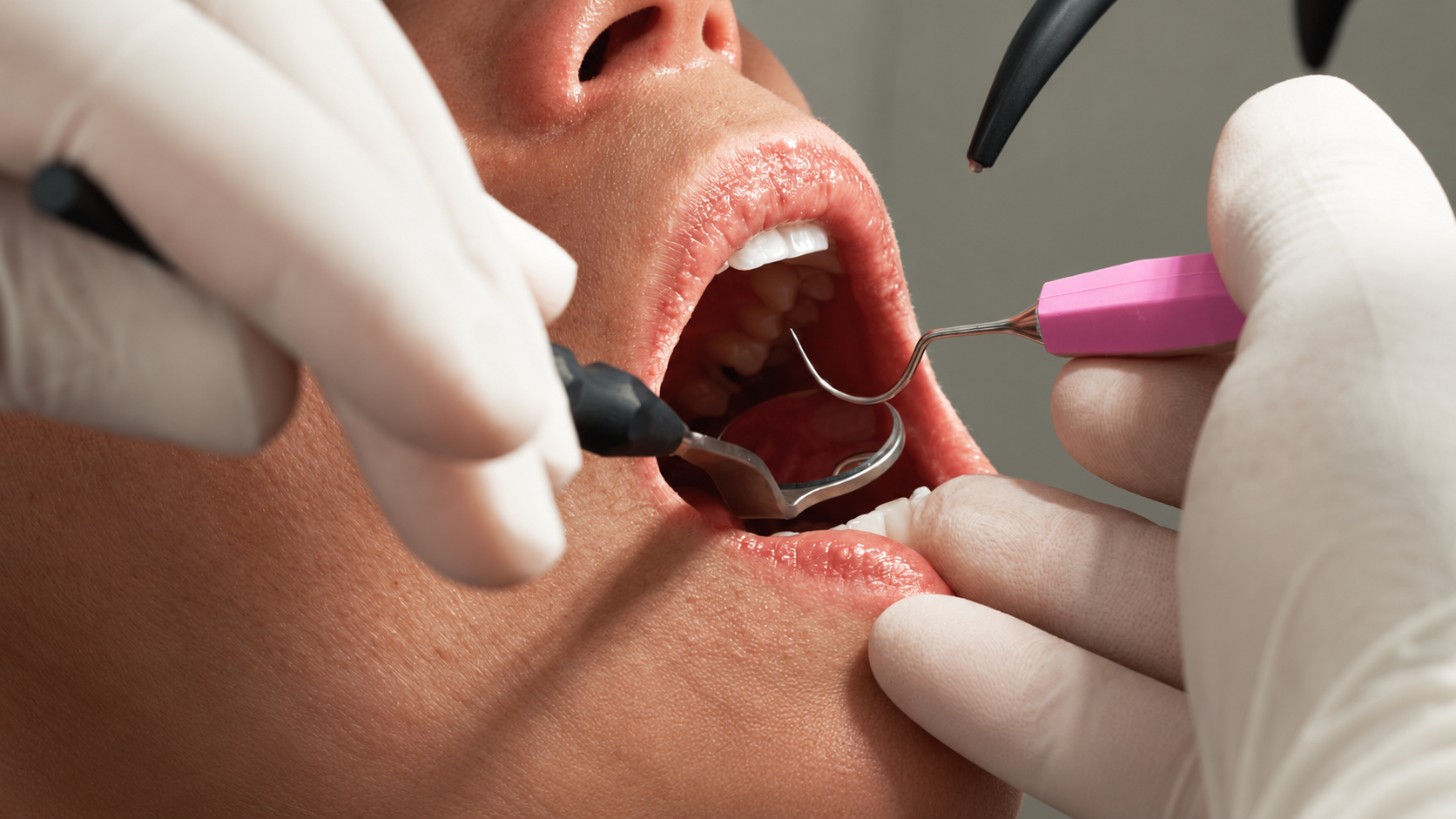
A toothache can be manageable over breakfast and impossible to ignore by bedtime. The difficult part is knowing when it can safely wait. Severe pain that interrupts sleep, a swollen cheek, fever or a bad taste can all indicate a problem needing urgent dental assessment. Even less intense discomfort should be checked if it continues for more than two days.
If you are searching for “toothache dentist Marlow”, the question behind that search is often quite simple: should you call today? Three details can help: severity, duration and other symptoms.
Three Clues That Tell You How Quickly to Act
How much is it affecting you? A brief twinge with a cold drink is different from pain that makes eating, concentrating or sleeping difficult. Severe toothache that disrupts daily life, particularly when suitable painkillers are not helping, calls for urgent dental advice. You do not need to wait until the pain becomes unbearable.
How long has it been there? A single fleeting sensation may have a relatively straightforward explanation, but an ache lasting more than two days deserves a dental examination. Recurring pain or discomfort that lingers after hot or cold food also merits advice.
Is anything else happening? Pain when biting, swelling, fever, tender gums or an unpleasant taste can suggest inflammation or infection. These additional symptoms often tell a dentist more about urgency than a pain score alone. An infection can be serious even without severe pain.
For persistent or worsening symptoms, our emergency dental care in Marlow page explains the kinds of problems the practice assesses.
When Should Toothache Be Treated as Urgent or an Emergency?
Seek urgent dental advice if pain keeps you awake, interferes with normal activities or persists despite appropriate over-the-counter pain relief. A swollen gum or jaw, fever, pus, a bad taste or increasing tenderness when biting should also prompt a call. A suspected dental abscess needs urgent treatment; it will not reliably disappear without addressing the infection.
An urgent dental problem is different from a medical emergency.
Contact a dentist promptly or NHS 111 if you suspect an abscess, have severe persistent pain, develop facial swelling or have a broken tooth or restoration causing pain. If you cannot access an urgent dental appointment, NHS 111 can help direct you to available care, including out of hours.
Go to A&E or call 999 immediately if swelling affects your ability to breathe, swallow or speak; if swelling involves your eye or neck; or if you develop significant difficulty opening your mouth, a serious facial injury or bleeding that will not stop. Do not wait for a dental appointment in these circumstances.
If symptoms worsen quickly, seek advice immediately.
Why Different Types of Tooth Pain Can Mean Different Things
A sharp sensation from something cold may relate to exposed sensitive tooth surfaces, decay or a damaged filling. Pain when chewing can occur with a crack, an inflamed area around a tooth or a problem with an existing restoration. A deep, throbbing ache or pain that lingers after heat can sometimes mean the tissue inside the tooth is inflamed or infected.
These patterns are useful clues, not reliable self-diagnoses.
Treatment depends on what the examination finds. For example, where decay or a damaged restoration is responsible, a white filling may be appropriate. Where the inner tissue of a tooth is infected or irreversibly inflamed, root canal treatment may offer a way to preserve it.
An examination, with X-rays where indicated, helps establish the next step.
What Can You Do While Waiting for Dental Advice?
Temporary relief is useful, but it should not become a reason to postpone care. If suitable for you, paracetamol or ibuprofen may help; follow the instructions and ask a pharmacist if you are unsure which medicine you can take. Never exceed the recommended dose.
Choose softer foods, avoid chewing on the painful side and steer clear of very hot, cold or sweet foods if they trigger discomfort. Brush gently with a soft toothbrush. Adults can try a warm salt-water rinse, then spit it out; children should not use this rinse because they may swallow it.
Do not take leftover antibiotics or try to drain a swelling yourself. If pain or swelling worsens while you are waiting, ask for fresh advice rather than relying on temporary measures.
What Happens When You Contact Bridge Dental in Marlow?
When you telephone, explain when the pain began, whether it is constant, what makes it worse and whether you have swelling, fever or difficulty eating. Mention any recent dental work or injury. This helps the team understand your circumstances and discuss appropriate appointment options.
At an urgent appointment, the dentist may examine your teeth and gums, test the affected area and recommend X-rays if needed. The immediate priority is to identify the cause, explain the options and manage the problem appropriately. Sometimes initial treatment is temporary, with further care arranged after the immediate concern has been addressed.
If anxiety has made you put off an appointment, say so when you call. Bridge Dental offers support for nervous dental patients, and your concerns can be discussed before treatment. The aim is a considered decision, with preservation of your natural teeth wherever clinically appropriate.
Frequently Asked Questions About Toothache
Can toothache stop suddenly even if there is still a problem?
Yes. Pain may ease for several reasons, including changes in inflammation or damage to the nerve inside a tooth. Sudden relief does not necessarily mean an infection has cleared. If the pain was severe or accompanied by swelling, arrange an assessment even if you now feel better.
Is soreness after a recent filling a dental emergency?
Some short-lived sensitivity can occur after dental treatment. However, worsening pain, a sharp ache when biting, persistent sensitivity or swelling is worth reporting to your dentist. The filling, bite or tooth may need checking.
Why does my toothache seem to spread to my ear or jaw?
Pain from a tooth can sometimes be felt elsewhere because nearby areas share nerve pathways. Jaw problems may also produce discomfort that resembles toothache. A dentist can examine the teeth, gums and bite to help locate the source.
Will antibiotics get rid of a dental abscess?
Antibiotics are not routinely the answer to toothache or a localised abscess. Dental treatment is usually needed to address the source of infection, sometimes by drainage, root canal treatment or extraction. Antibiotics may be prescribed when clinically indicated, particularly for spreading infection or systemic symptoms.
Should I seek advice sooner if my child has toothache?
A child with persistent pain should be assessed, particularly if they struggle to eat or sleep. Swelling, fever or an injured tooth warrant prompt dental advice. Ask a pharmacist about age-appropriate pain relief and never give aspirin to a child under 16.
Can I contact Bridge Dental if I am not already a patient?
Yes, you can enquire about an appointment even if you have not attended the practice before. Explain your symptoms when you call so the team can advise on available options. If urgent care is unavailable, NHS 111 can help you find an appropriate service.
Toothache That Is Not Settling? Let Us Assess It
You should not have to guess whether persistent dental pain is serious. At Bridge Dental Surgeries, we have cared for Marlow families since 1945, with an emphasis on careful assessment and clear, unhurried advice.
If your tooth is troubling you, contact our Marlow practice or call 01628 474 044 to discuss your symptoms and appropriate next steps.
Bridge Dental Surgeries
32 Station Road, Marlow, Buckinghamshire SL7 1NE
