date | 11:11
open/closed
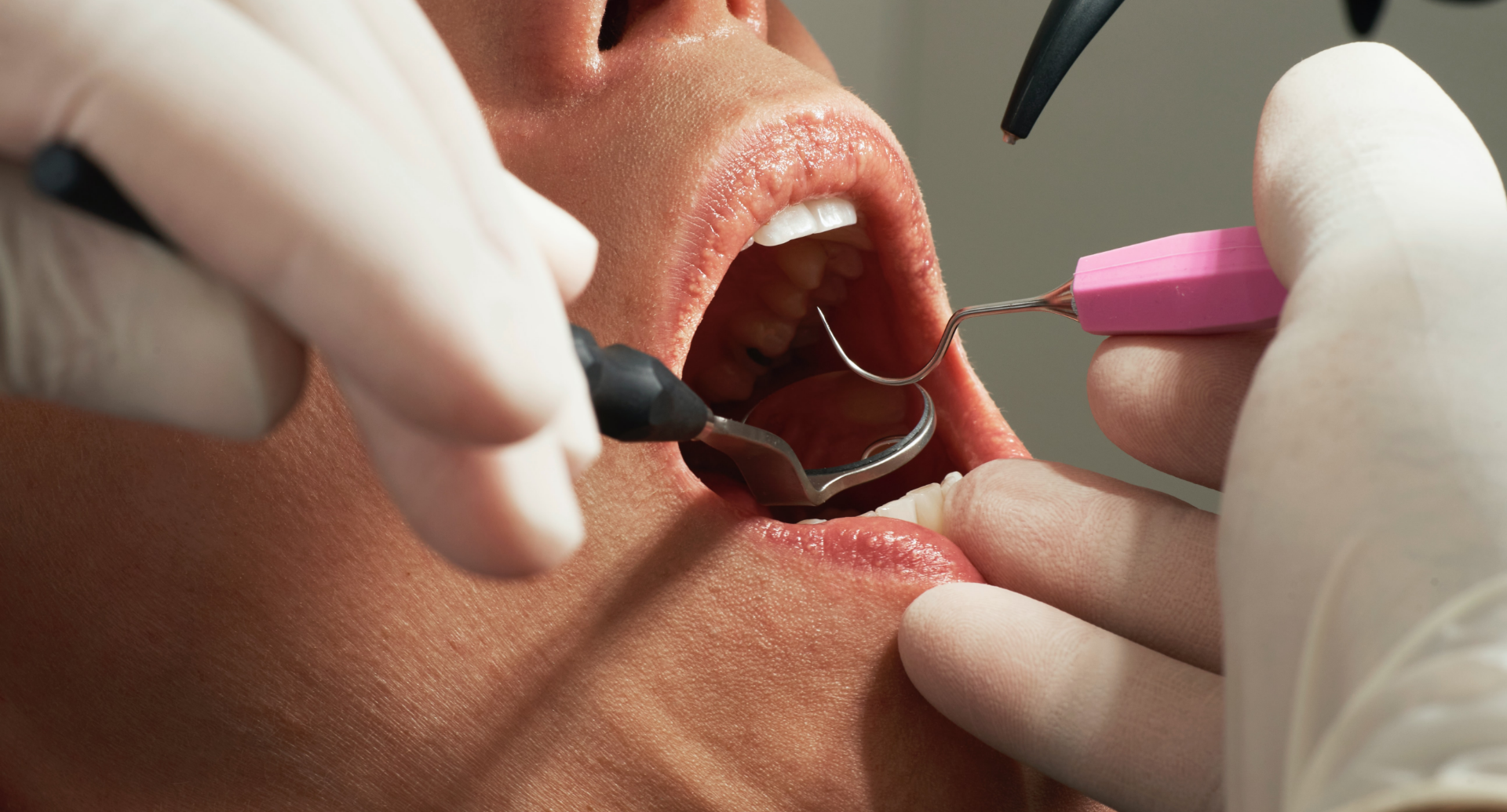
If you have chipped or broken a tooth as a result of an accident or injury, it is very important that you see a dentist as soon as possible. The same goes for one or more knocked out teeth. The sooner you are seen by a dental professional the better the chances that the teeth could be re-implanted, depending on the severity of your injury.
A thorough examination of the injured area will be undertaken. This may include dental X-rays to determine the extent of the damage.
Depending on the severity of the pain, the area will be numbed with local anaesthetic.
The damaged teeth will be restored temporarily or permanently, depending on the case.
The tooth may be removed and options will be discussed to replace.
In general, you should visit your dentist if you are experiencing severe pain or bleeding in your mouth, have a broken tooth or filling, or need immediate treatment due to an infection. Additionally, if you have a lost crown or bridge, a cracked tooth, swelling in the face or neck area, or any other dental injury that requires urgent attention, it's important to get help as soon as possible.
If you are unsure whether your situation qualifies as an emergency, best to call our reception team and they will arrange an appointment with the dentist. They can then advise you on the best course of action and provide further guidance about what steps to take next.
During an emergency dental appointment, the dentist will assess your dental problem. Depending on the severity of your condition, they may need to take X-rays to better understand what is going on. Common treatments for emergency cases include filling a cavity or tooth extraction. If needed, more complex procedures such as root canals and crowns may be advised in order to restore the health of your mouth.
Throughout the appointment, your dentist will explain each step of the process so you know exactly what is happening. It's important to follow all instructions given by your dentist in order to maintain good oral health and reduce the risk of needing another emergency appointment in the future.
If you experience severe pain or have a knocked-out tooth, you should seek emergency dental care as soon as possible. In these cases, it is important to visit a dentist right away to prevent further damage and to receive the necessary treatment. If you have a knocked-out tooth, try to keep the tooth moist by storing it in milk until your appointment. Bring the tooth with you when you go for treatment and your dentist may be able to re-implant it if your condition permits. If not, they can discuss other options such as bridges or implants that can restore your smile.

Located at 32 Station Road, Marlow, Buckinghamshire, SL7 1NE, our practice is easily accessible with unlimited parking. There is a free car park at the rear of the building for patients use, accessed from the entrance to the left-hand side of the building.
The entrance at the rear of the building is ramped to allow easy access to the ground floor.
At Bridge Dental Surgeries, we are dedicated to providing top-quality family dentistry in a warm and welcoming environment. From routine check-ups to specialised treatments, our team ensures every visit meets our high standards of care.
Our mission is simple: ensure our patients have a healthy mouth and a happy smile, focusing on the prevention and preservation of your dental health. We believe in making top-tier dental care accessible and stress-free, ensuring that you leave our practice feeling better than when you arrived.
The new patient appointment includes the following:
At Bridge Dental Surgeries, we believe that financial considerations should not be an obstacle to achieving your perfect smile. We've partnered with Chrysalis Finance, one of the leading providers of dental financing solutions in the UK, to offer flexible, transparent, and easy-to-manage payment plans tailored to your individual needs.
We are also delighted to offer memberships plans at Bridge Dental, which is our very own scheme designed to assist you by spreading the costs of important routine appointments equally across 12 months rather than having unplanned expenses occur when you least need them.